strawberry Variety
UC Monarch

UC Monarch, short day compact plants with high harvest efficiency.
NEW – UC Monarch produces both early and full season yields and significantly higher marketable fruit values
improved. All this coupled with superior Fusarium and Phytophthora disease resistance while remaining adapted to production in Argentina’s short-day growing regions.
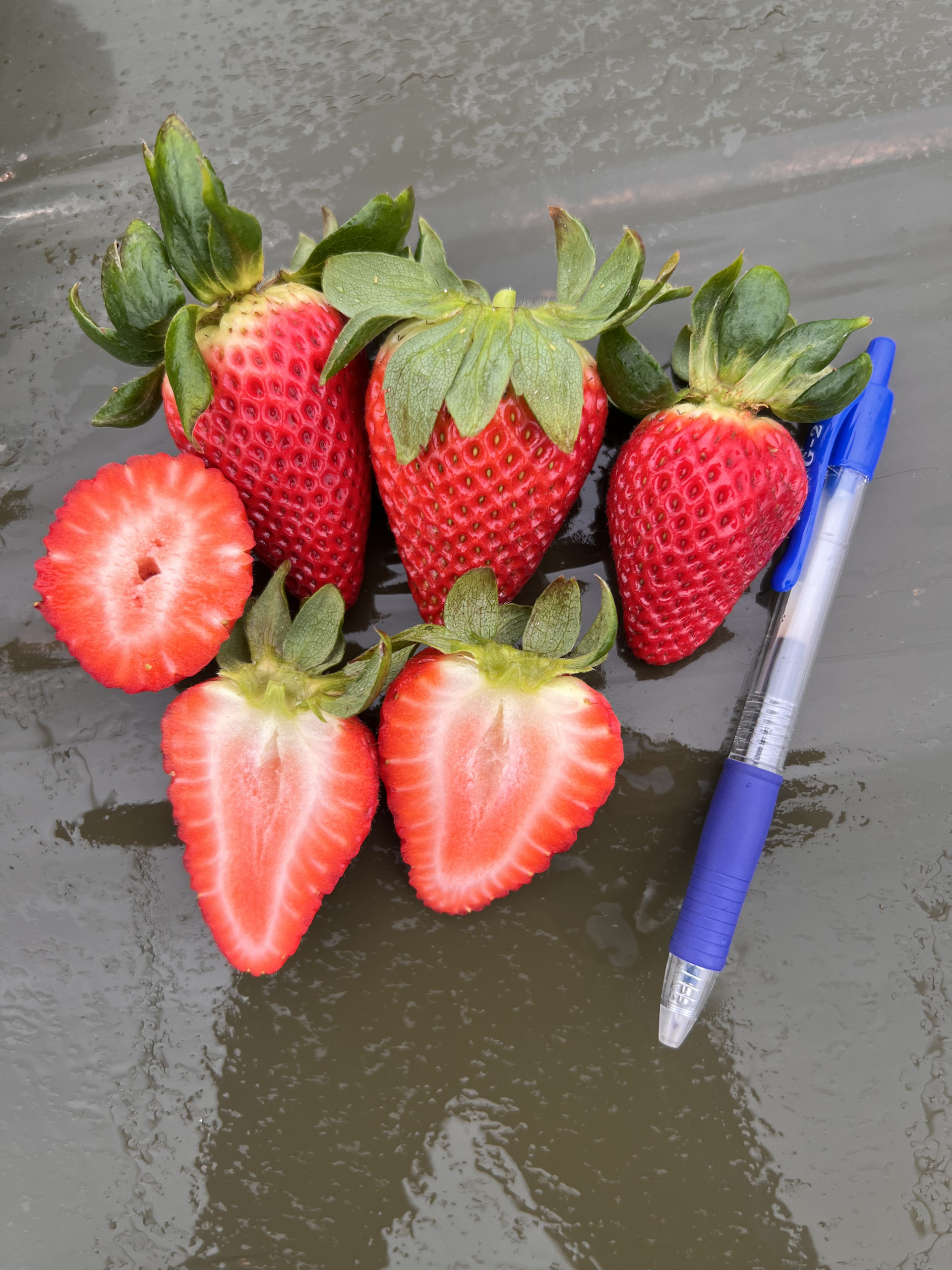
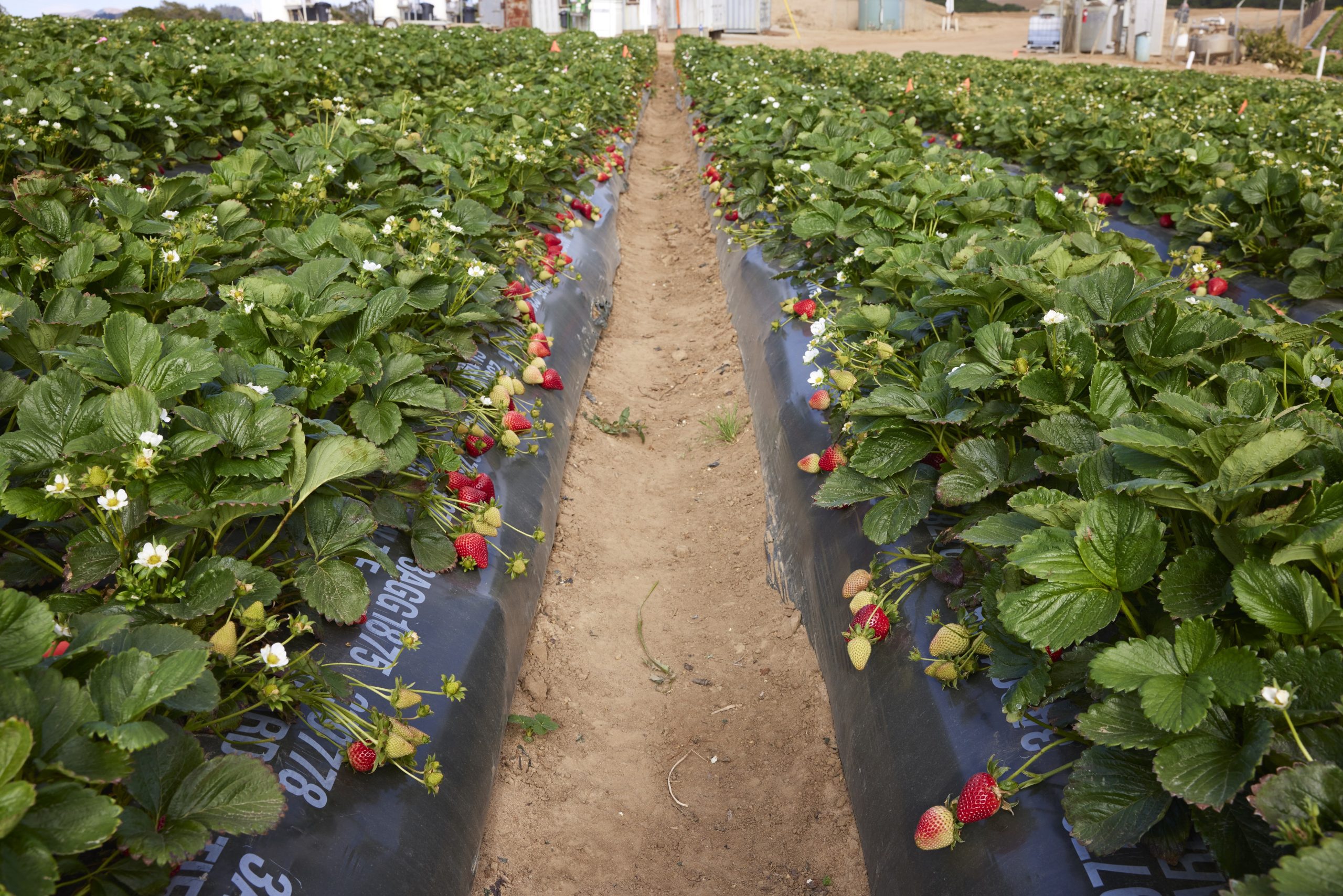
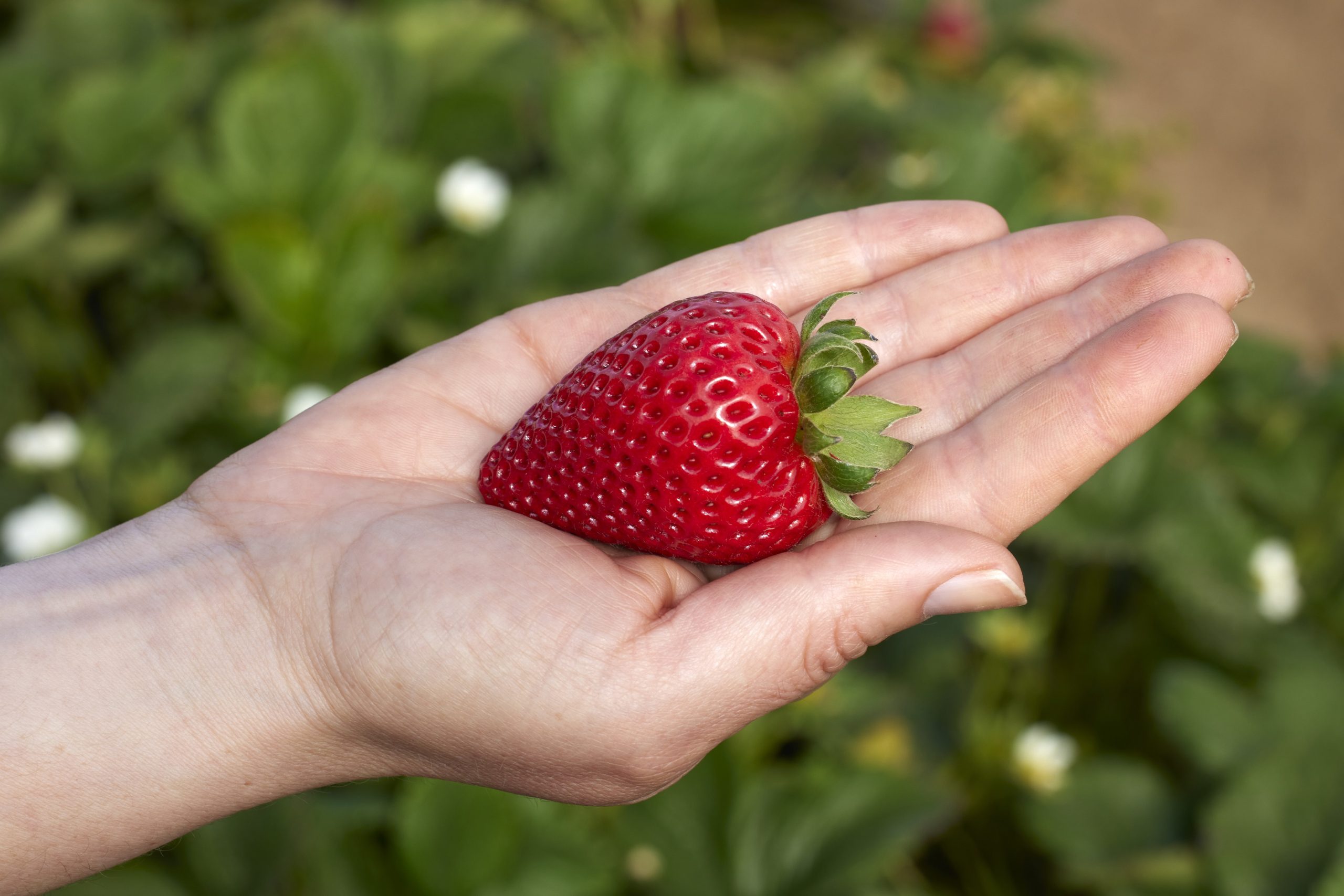
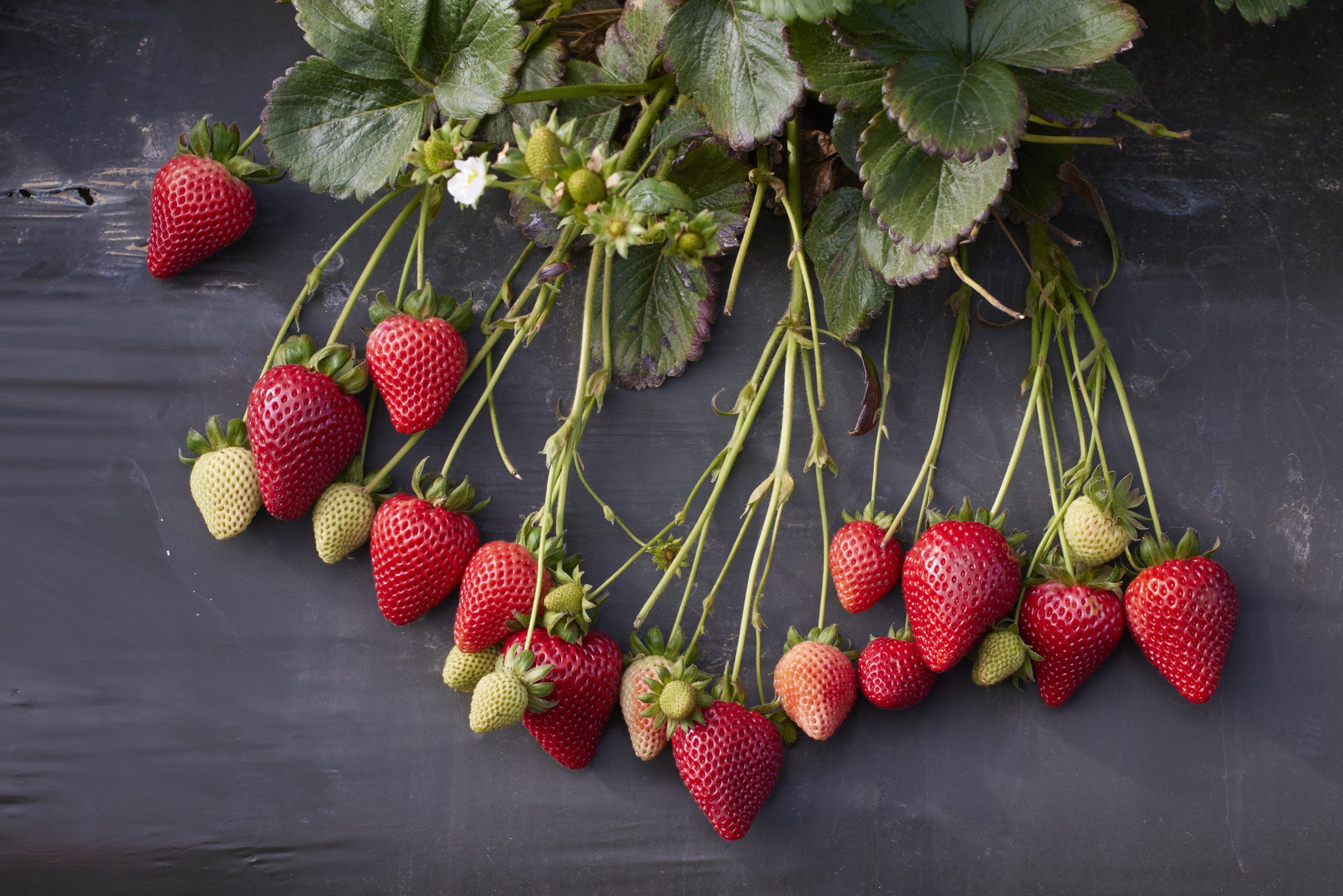
UC Monarch Key Features
Compact plant habit
with long fruit trusses improve fruit accessibility and harvest efficiency
Competitive cumulative marketable yields
across environments
Firm fruit
Good fruit firmness
Disease resistance
Confirmed resistance to Fusarium wilt race 1, Verticillium wilt, and Phytophthora crown rot
“UC Monarch is a short-day variety that has shown outstanding performance in coastal regions like San Quintín, Baja California. In line with the UC Davis standard, it offers exceptional flavor and strong resistance to diseases such as Neopestalotiopsis. In an ever-changing agricultural landscape, varieties like UC Monarch provide growers with confidence, stability, and added value.”
Kelly Mendoza – Fresa Fortaleza, Master License Holder, Mexico
Comparative Results
Use the dropdown below to select a trait and compare performance across our strawberry varieties. Compare key commercial characteristics across our strawberry genetics, including disease resistance, yield performance, fruit firmness, fruit size, and market suitability.
Fusarium Wilt
UC Monarch
R (1.6)
UC Surfline
R (1.0)
UCD Warrior
MS (3)
UCD Victor
R (1)
Verticillium Wilt
UC Monarch
MR (2.6)
UC Surfline
MR (1.5)
UCD Warrior
MR (2)
UCD Victor
MS (3)
Phytophthora Crown Rot
UC Monarch
MR (2)
UC Surfline
R (1.4)
UCD Warrior
R (1)
UCD Victor
MR (2)
Macrophomina Phaseolina
UC Monarch
MS (3.1)
UC Surfline
MS (3.1)
UCD Warrior
MR (2)
UCD Victor
MS (3)
Fruit Firmness
UC Monarch
322.4 g-force
UC Surfline
355 g-force
UCD Warrior
284 g-force
UCD Victor
423 g-force
Fruit Size
UC Monarch
25.6 g avg
UC Surfline
30 g avg
UCD Warrior
24g avg
UCD Victor
32.1g avg
Brix
UC Monarch
7.7 °Bx
UC Surfline
7.4 °Bx
UCD Warrior
8.5 °Bx
UCD Victor
8.8 °Bx
Marketability
UC Monarch
80-88 %
UC Surfline
86–97 %
UCD Warrior
80–95%
UCD Victor
high %
Yield Potential*
UC Monarch
40-50 t/ha
UC Surfline
48-60 t/ha
UCD Warrior
40-52 t/ha
UCD Victor
44-56 t/ha
Key:
R – Resistant, S – Susceptible, MR – Moderate Resistance, MS – Moderate Susceptibility, ND – Not Determined
Scale: *ratings on a 1-5 scale
References
*UC Davis Strawberry Breeding Program (2015–2024). Multi-year trial data (Oxnard, Santa María, Watsonville
1. UC Davis Strawberry Breeding Program (2015–2024). Multi-year trial data (Oxnard, Santa María, Watsonville).
2. Cal Poly Strawberry Center Field Day Handout (Lompoc, May 2024), Tables 1–3.
3. HortScience 58(12): ‘UC Eclipse – A Summer-Plant Photoperiod-Insensitive Strawberry Cultivar’ (2023).
4. HortScience 60(6): ‘UC Surfline – A Short-Day Cultivar with High Early and Sustained Fruit Yields’ (2025).
5. UC Davis Variety Release Sheet: UCD Royal Royce (2019).
6. Coronda Berry Congress 2025 Presentations (Argentina): Slides pp. 5–6 (Royal Royce), pp. 9–10 (Surfline), pp. 13–15 (Eclipse).
7. UC Davis Office of Technology Transfer – Plant Licensing Program (2024).
8. Knapp S. J., Cole G., Brown A., Feldmann M. (2020–2024). UC Davis Strawberry Program Breeding Summaries.
9. Cal Poly and UC Davis joint field reports (2021–2023): Oxnard and Santa María yield summaries.


UC Monarch Enquiry
"*" indicates required fields