strawberry Variety
UC Eclipse
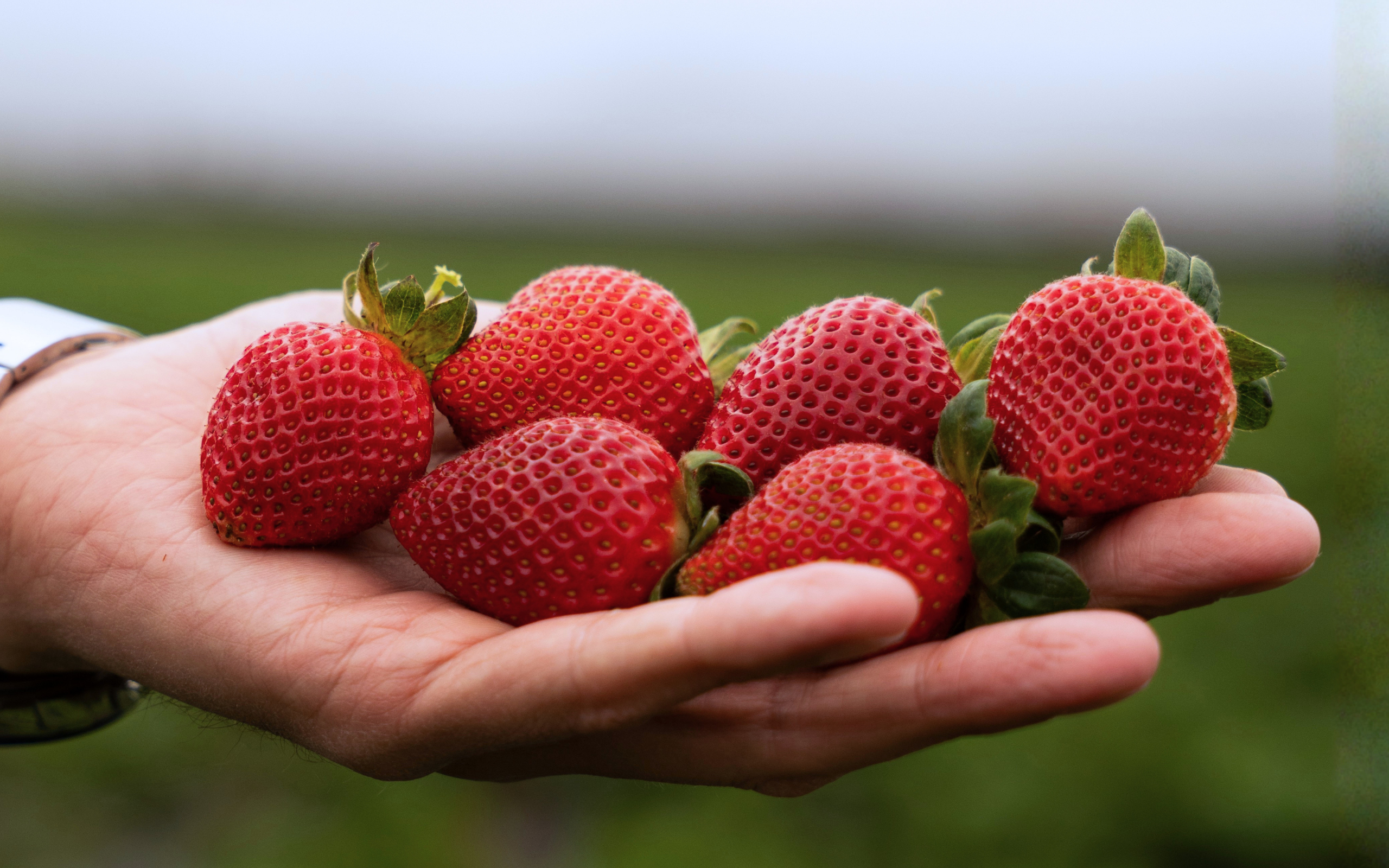
NEW - a day-neutral variety excelling in its use for summer plant culture, has also performed very well in autumn-planting regions growing day-neutral varieties.
Adaptable, Fusarium-resistant, and ideal for summer-plant systems
UC Eclipse combines strong Fusarium resistance with high productivity and excellent fruit size. Across Santa Maria and Watsonville trials (2020–2022), average yield about 35–45 % above San Andreas. Fruit are larger and slightly firmer, maintaining good pack out and shape throughout the season. Adapted to summer-plant and low-chill environments, Eclipse is a strong option for warm Argentine regions.
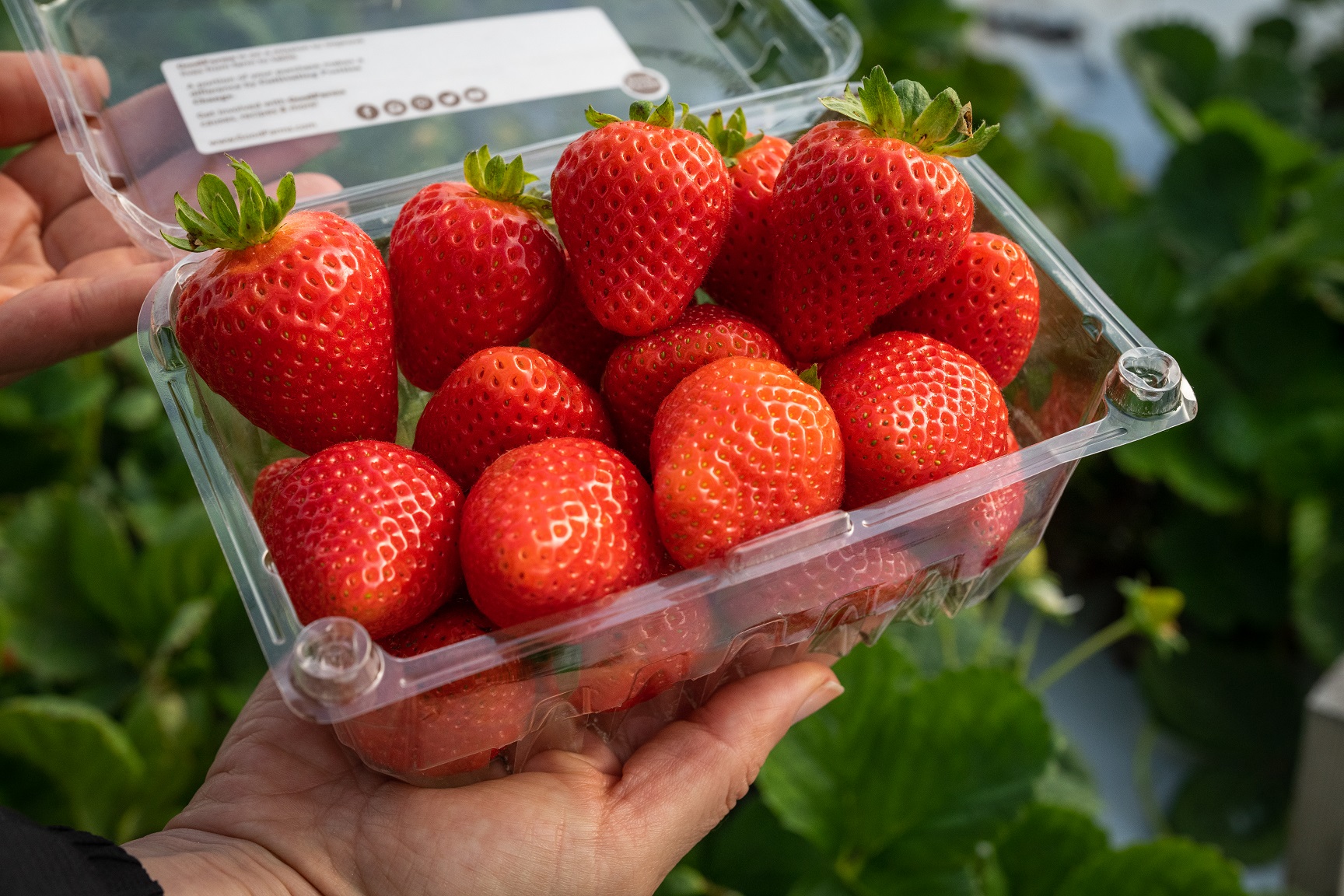
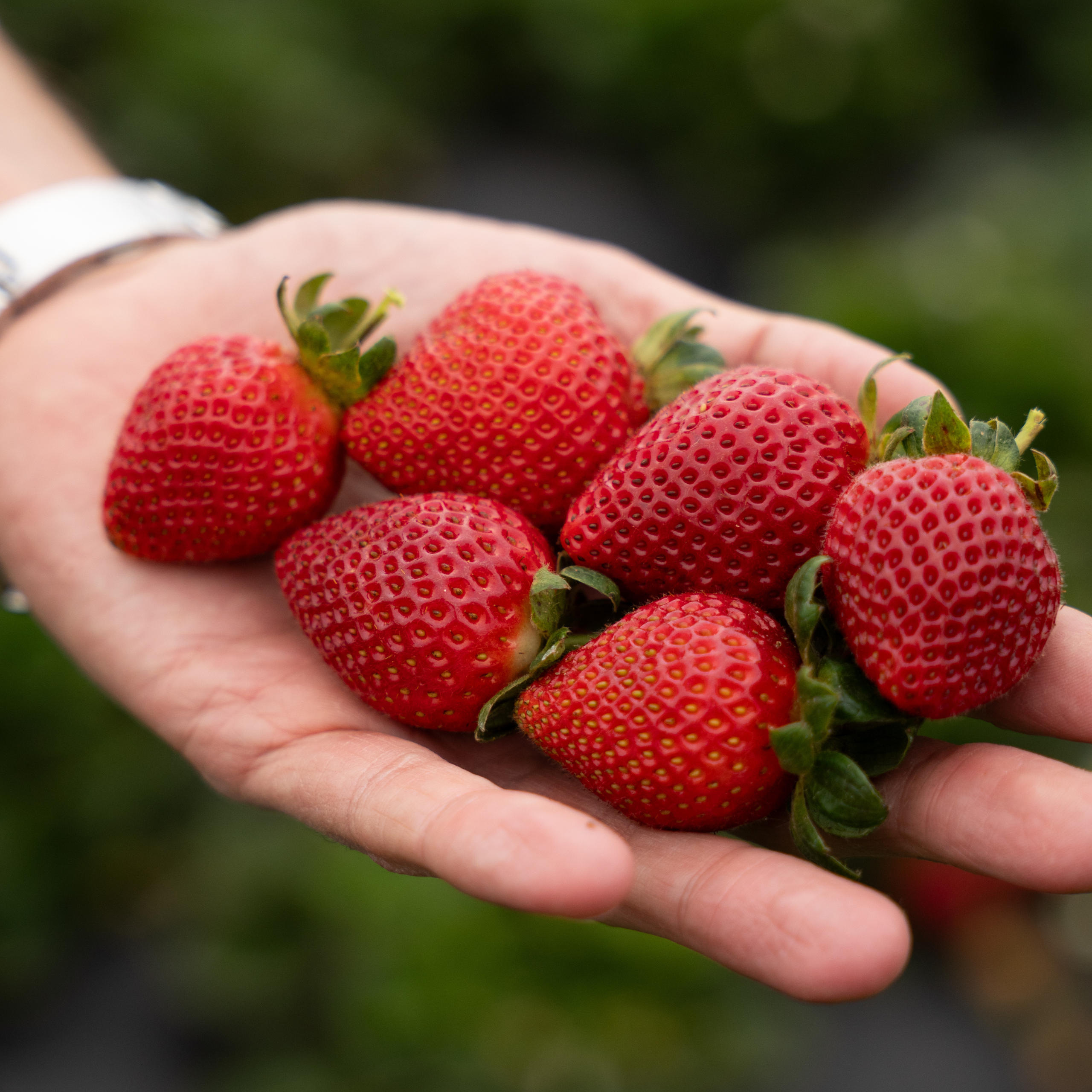
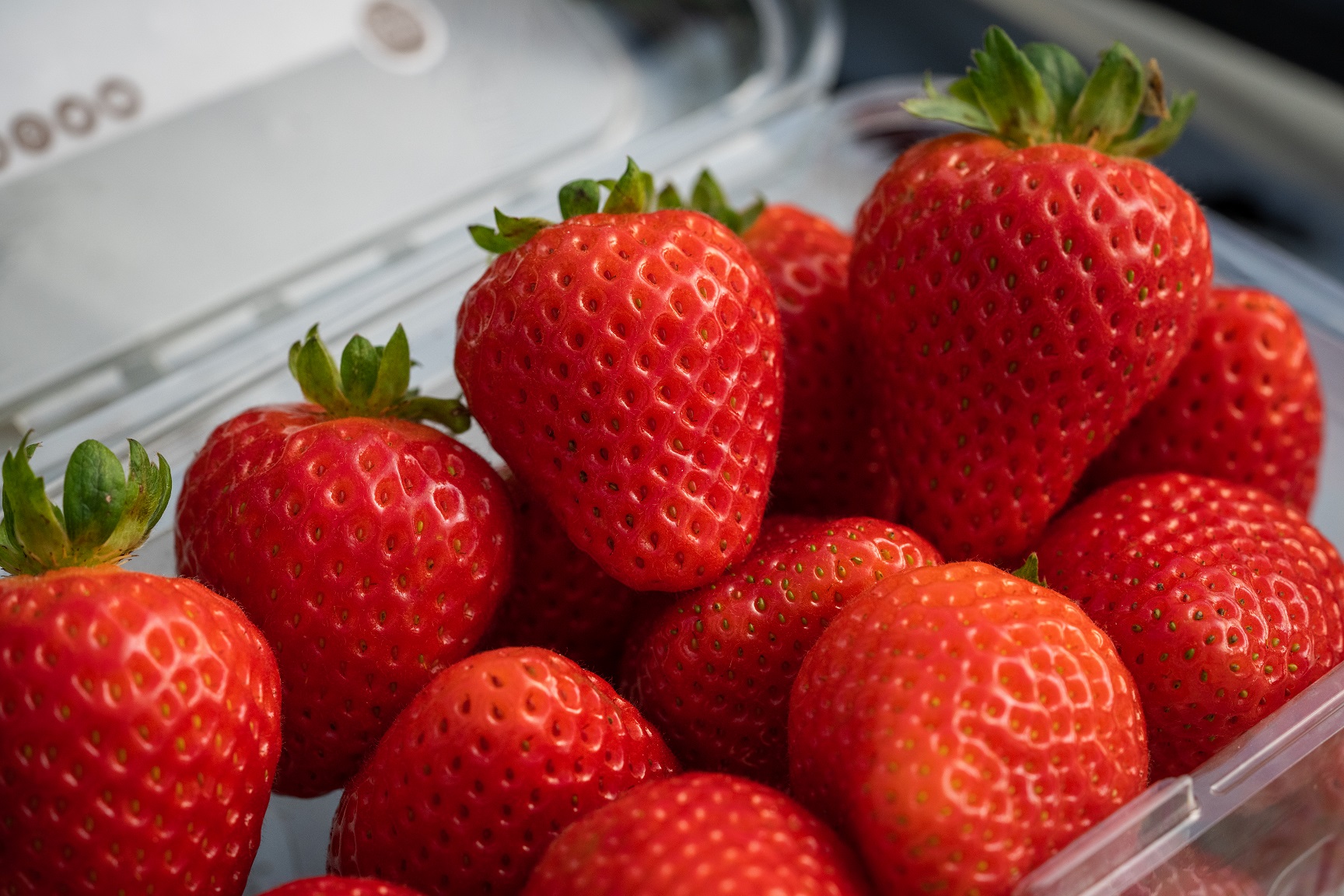
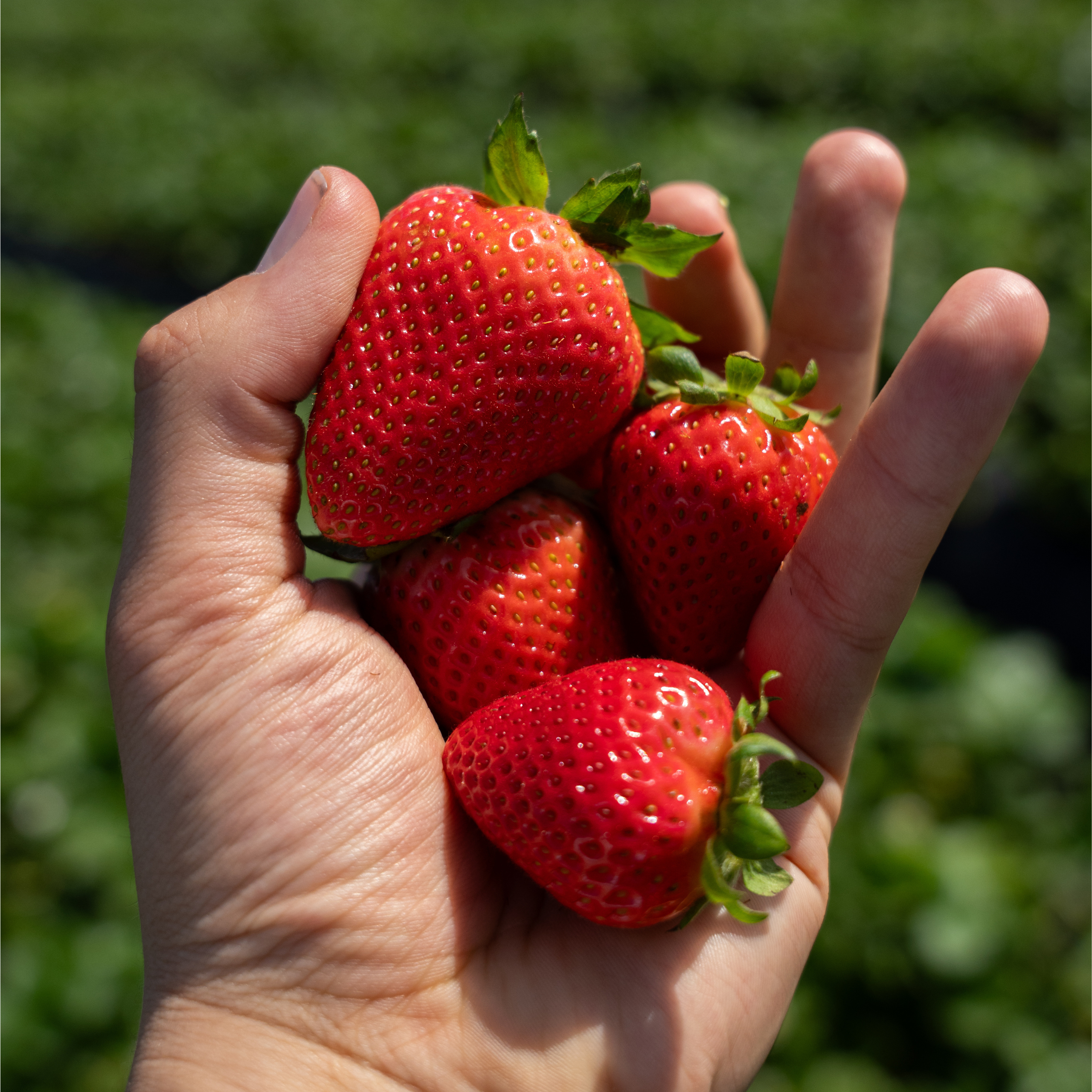
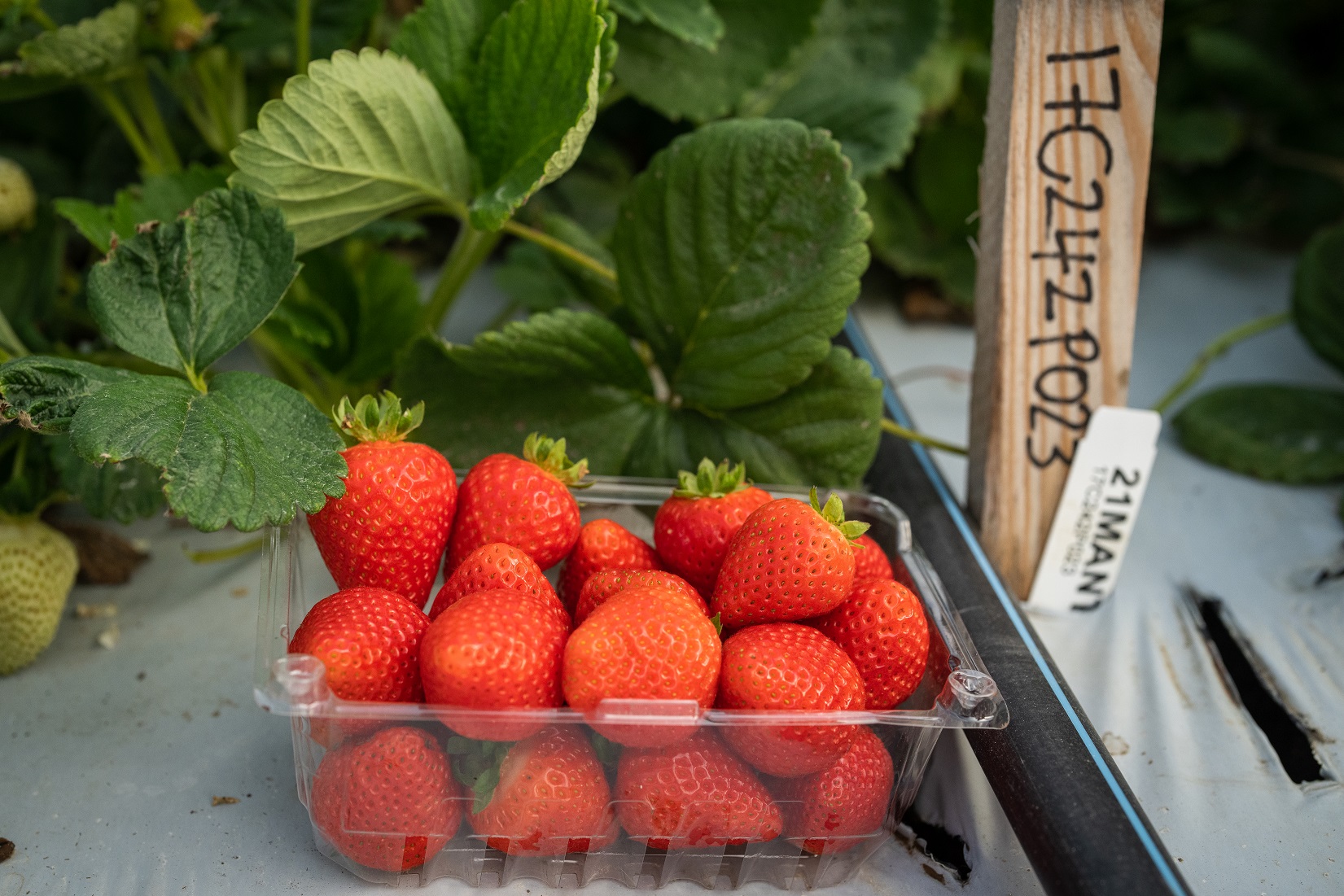
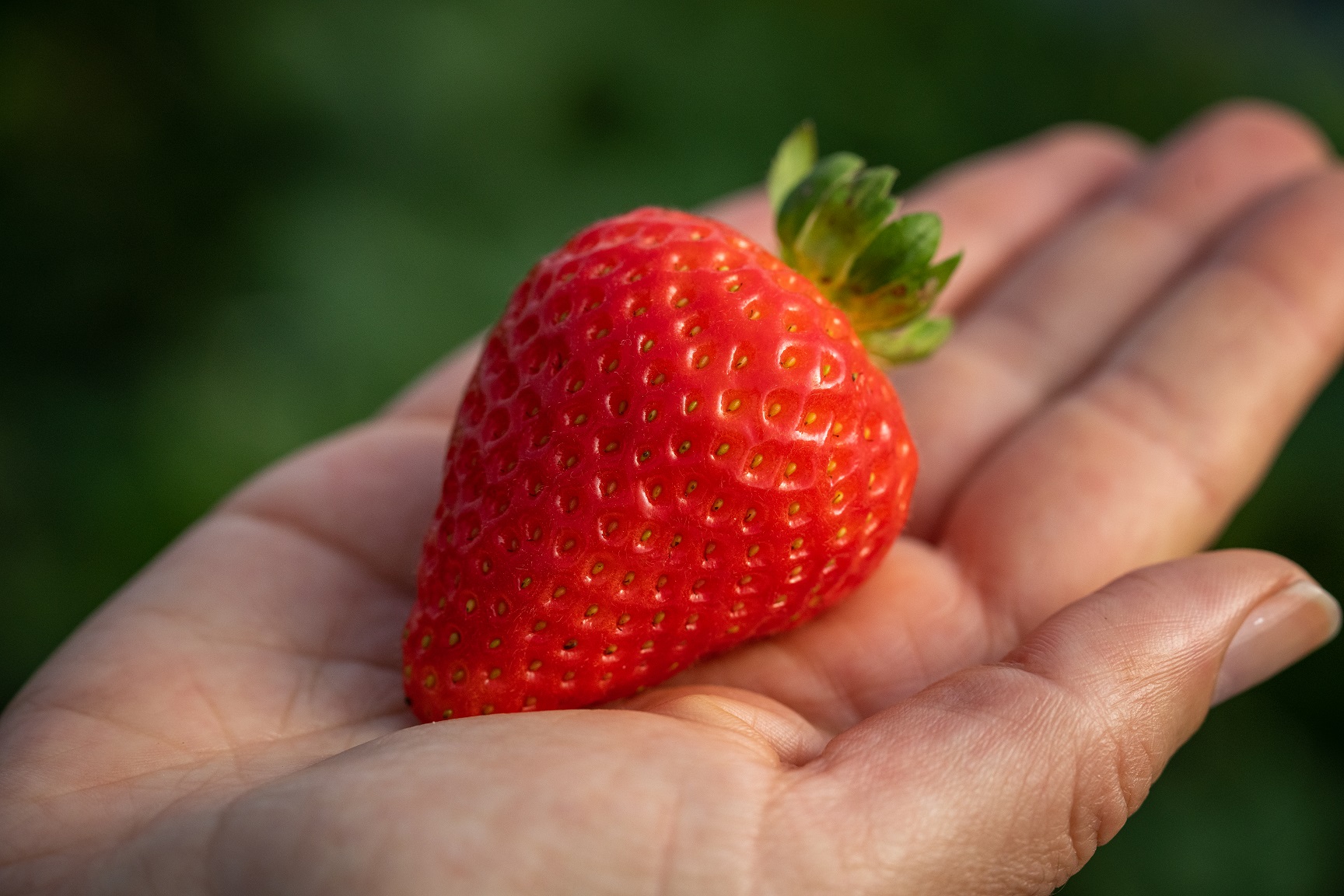

UC Eclipse Key Features
Low chill requirement
350–450 hours
Vigorous plant habit
balanced canopy
Low runner numbers
during fruit production
Flexible seasonality
summer-plant to fall-plant with a long harvest duration
Leading the way is UC Eclipse named as an extreme day-neutral, lending itself to summer planting and therefore season extension opportunities in many parts of the world. Interest in this variety is very high in California and internationally, we are already having huge interest. The exceptional yields of over 4 kgs per plant in some trials have certainly set a new benchmark for the industry.
Rupert Hargreaves
Comparative Results
Use the dropdown below to select a trait and compare performance across our strawberry varieties. Compare key commercial characteristics across our strawberry genetics, including disease resistance, yield performance, fruit firmness, fruit size, and market suitability.
Fusarium Wilt
UC Eclipse
R (1.2)
UCD Valiant
R (1)
UCD Moxie
R (1)
UCD Royal Royce
S (3.6)
UC Golden Gate
R (2.0)
UC Keystone
R (1.7)
Verticillium Wilt
UC Eclipse
MR (2.6)
UCD Valiant
MR (2)
UCD Moxie
MR (2)
UCD Royal Royce
MR (2.6)
UC Golden Gate
MR (3.1)
UC Keystone
MR (2.6)
Phytophthora Crown Rot
UC Eclipse
MR (2.3)
UCD Valiant
MS (3)
UCD Moxie
MS (3)
UCD Royal Royce
MR (2.4)
UC Golden Gate
MR (2.7)
UC Keystone
MR (2.44)
Macrophomina Phaseolina
UC Eclipse
S (3.8)
UCD Valiant
S (4)
UCD Moxie
S (4)
UCD Royal Royce
S (3.6)
UC Golden Gate
S (4.0)
UC Keystone
MS (2.7)
Fruit Firmness
UC Eclipse
285–266 g-force
UCD Valiant
377 g-force
UCD Moxie
425 g-force
UCD Royal Royce
430 g-force
UC Golden Gate
303.7 g-force
UC Keystone
260.6 g-force
Fruit Size
UC Eclipse
33 g avg
UCD Valiant
35.3g avg
UCD Moxie
32.1g avg
UCD Royal Royce
29.7g avg
UC Golden Gate
28.7 g per fruit
UC Keystone
28 g per fruit
Brix
UC Eclipse
7.4 °Bx
UCD Valiant
7.6 °Bx
UCD Moxie
7.6 °Bx
UCD Royal Royce
7.9 °Bx
UC Golden Gate
8.1 °Bx
UC Keystone
8.5 °Bx
Marketability
UC Eclipse
80–90 %
UCD Valiant
84-86 %
UCD Royal Royce
84-91%
UCD Moxie
87-89%
UC Golden Gate
84–88 %
UC Keystone
80–85 %
Yield Potential*
UC Eclipse
3KG+ Per Plant Achieved
UCD Valiant
101-143 t/ha
UCD Moxie
116-160 t/ha
UCD Royal Royce
113-143 t/ha
UC Golden Gate
110 t/ha
UC Keystone
110 - 120 t/ha
Key:
R – Resistant, S – Susceptible, MR – Moderate Resistance, MS – Moderate Susceptibility, ND – Not Determined
Scale: *ratings on a 1-5 scale
References
*UC Davis Strawberry Breeding Program (2015–2024). Multi-year trial data (Oxnard, Santa María, Watsonville
1. UC Davis Strawberry Breeding Program (2015–2024). Multi-year trial data (Oxnard, Santa María, Watsonville).
2. Cal Poly Strawberry Center Field Day Handout (Lompoc, May 2024), Tables 1–3.
3. HortScience 58(12): ‘UC Eclipse – A Summer-Plant Photoperiod-Insensitive Strawberry Cultivar’ (2023).
4. HortScience 60(6): ‘UC Surfline – A Short-Day Cultivar with High Early and Sustained Fruit Yields’ (2025).
5. UC Davis Variety Release Sheet: UCD Royal Royce (2019).
6. Coronda Berry Congress 2025 Presentations (Argentina): Slides pp. 5–6 (Royal Royce), pp. 9–10 (Surfline), pp. 13–15 (Eclipse).
7. UC Davis Office of Technology Transfer – Plant Licensing Program (2024).
8. Knapp S. J., Cole G., Brown A., Feldmann M. (2020–2024). UC Davis Strawberry Program Breeding Summaries.
9. Cal Poly and UC Davis joint field reports (2021–2023): Oxnard and Santa María yield summaries.


UC Eclipse Enquiry
"*" indicates required fields